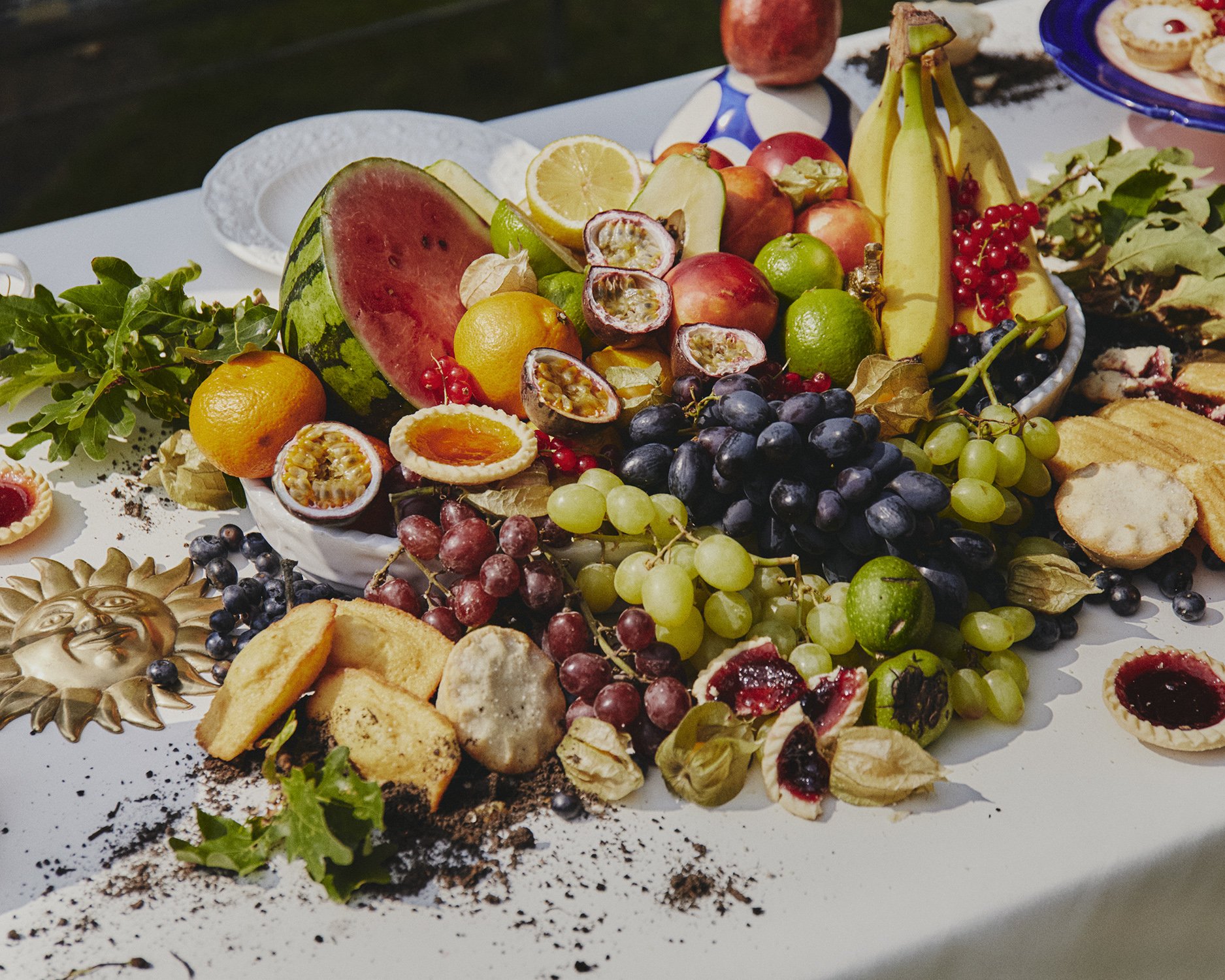
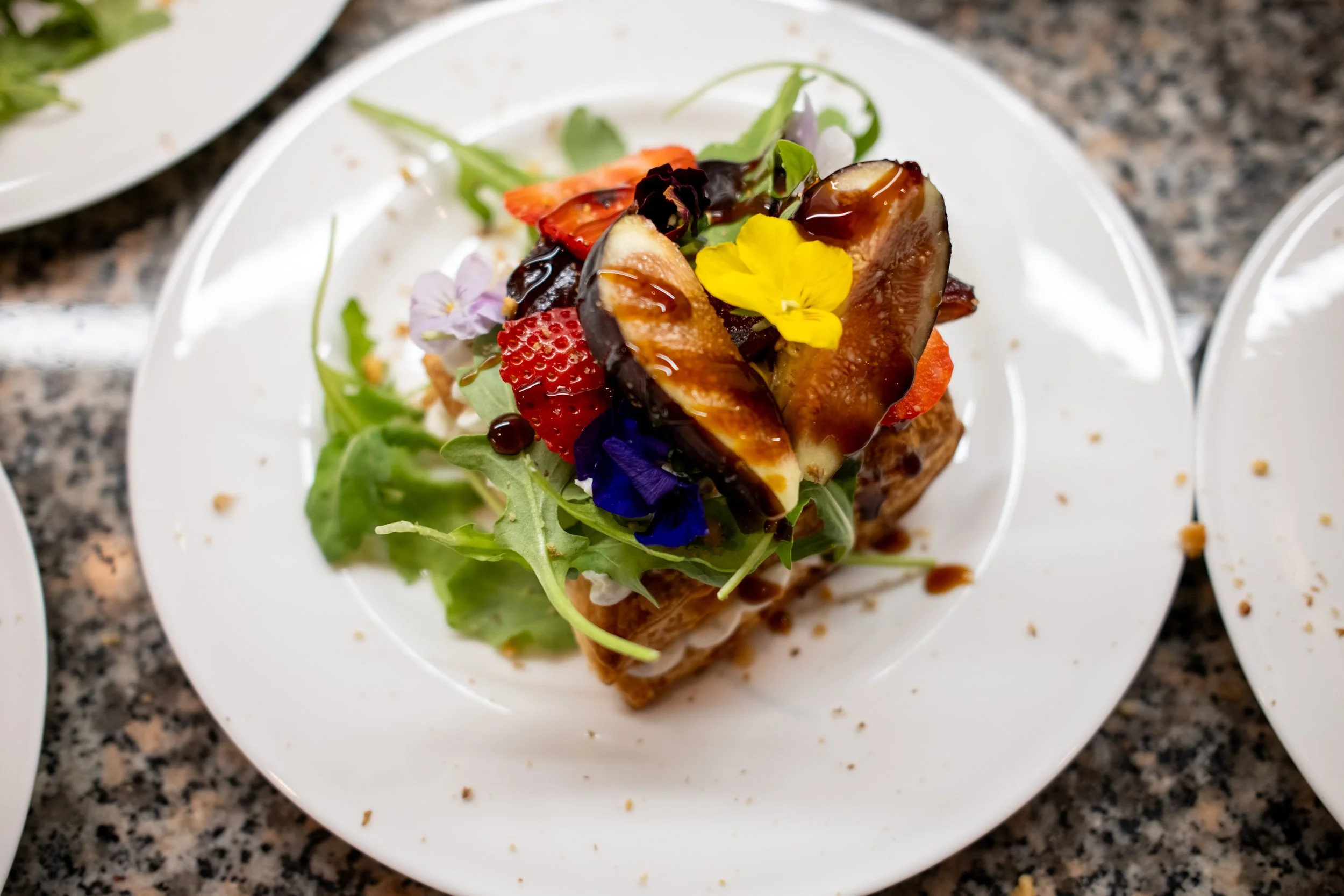
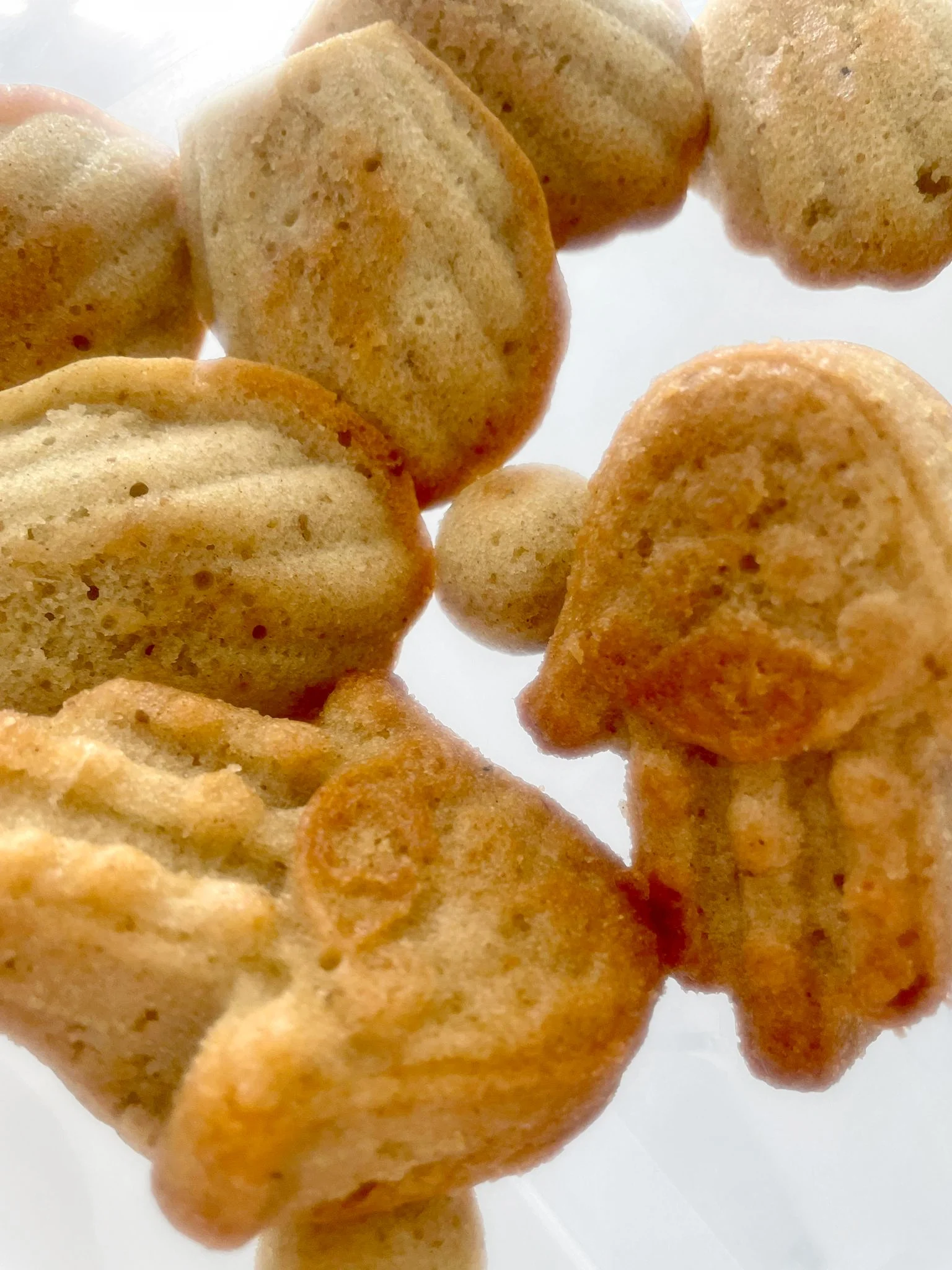
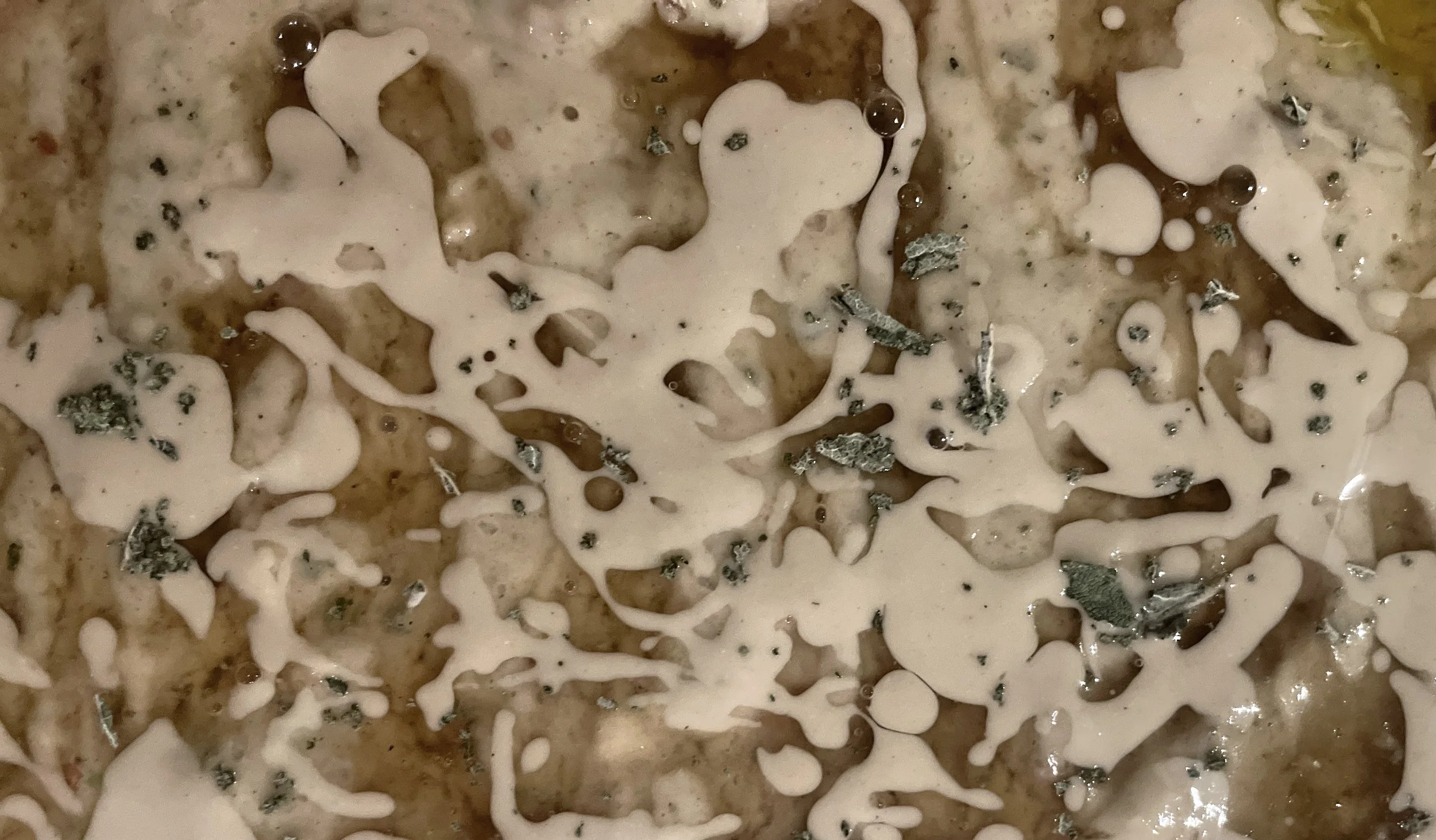
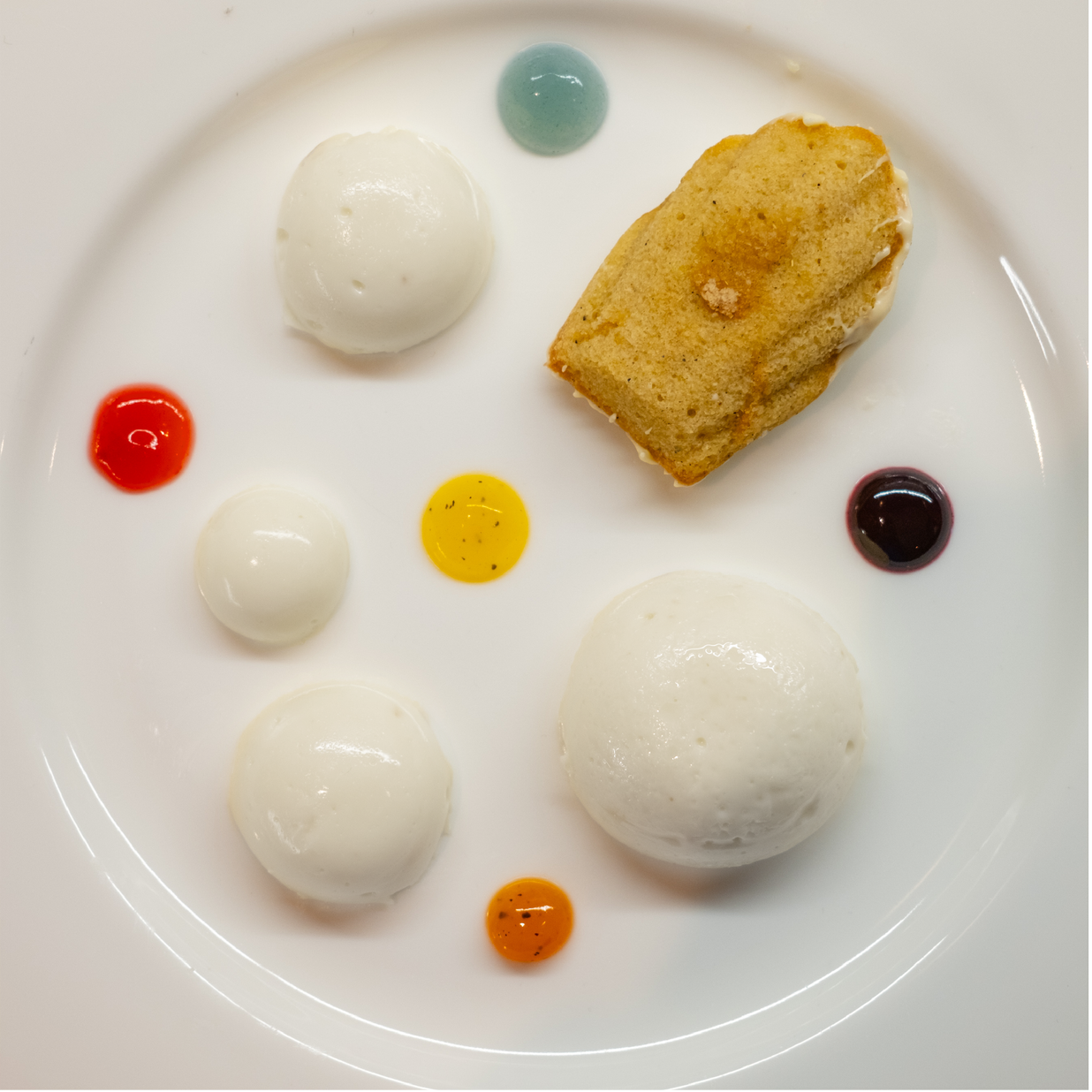
My culinary practice leverages the politics and poetry of food through flavour, physicality and provenance, enabling the emergence of the space to tackle complex, layered issues through familiar formats.
It looks at food as an experiential format, and through a narratological lens, continuously reframes its role as dramaturg, device, subject, narrator, or interface.
I operate as a fictional entity (The Council for Culinary Curiosities and other narrative affairs), building my knowledge through collaborations, testing, and R&D in food as a narrative device, exploring how things like texture, time, temperature, flavour, consistency and combinations form stories. Through it, I run three supper clubs:
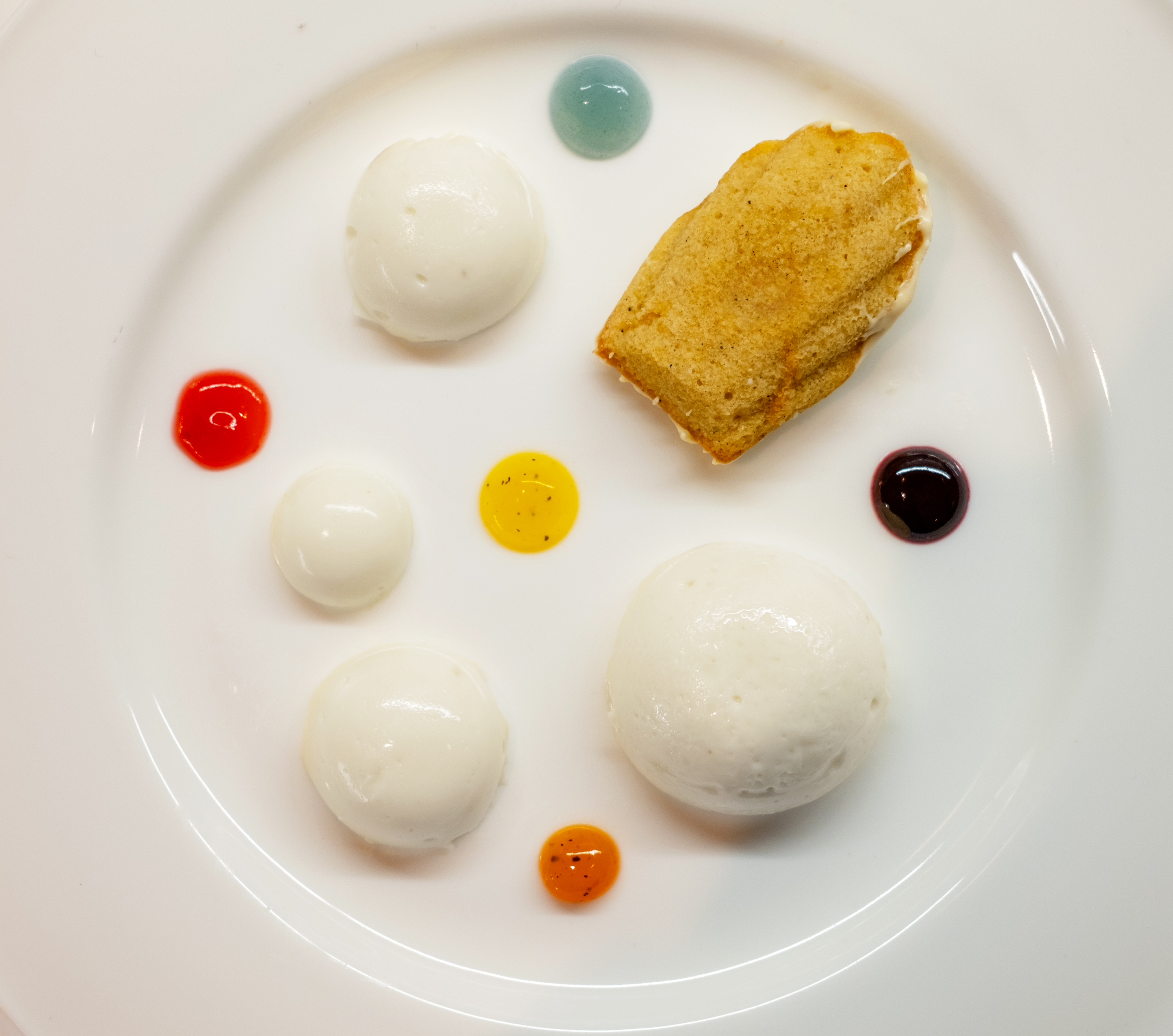
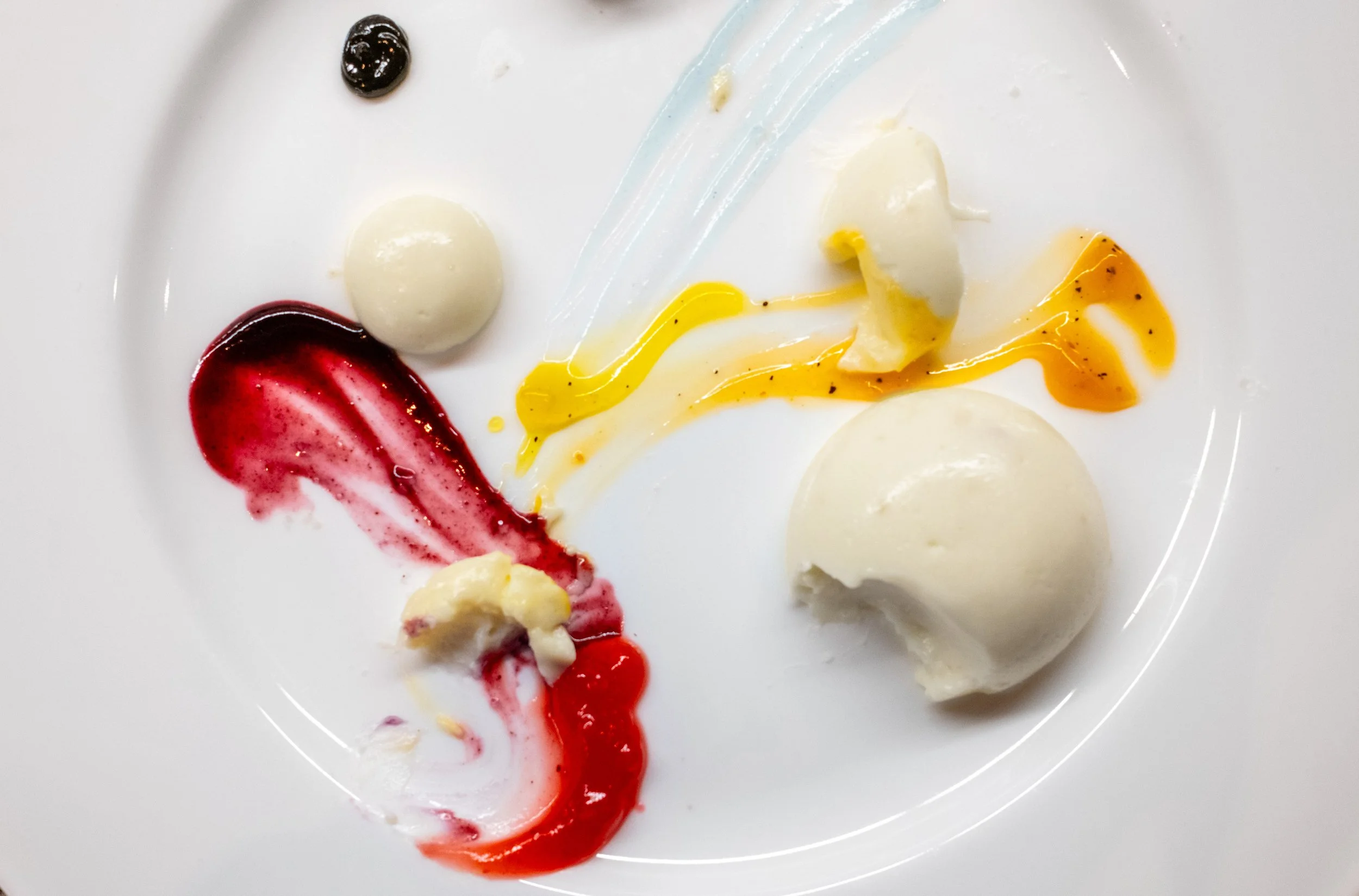
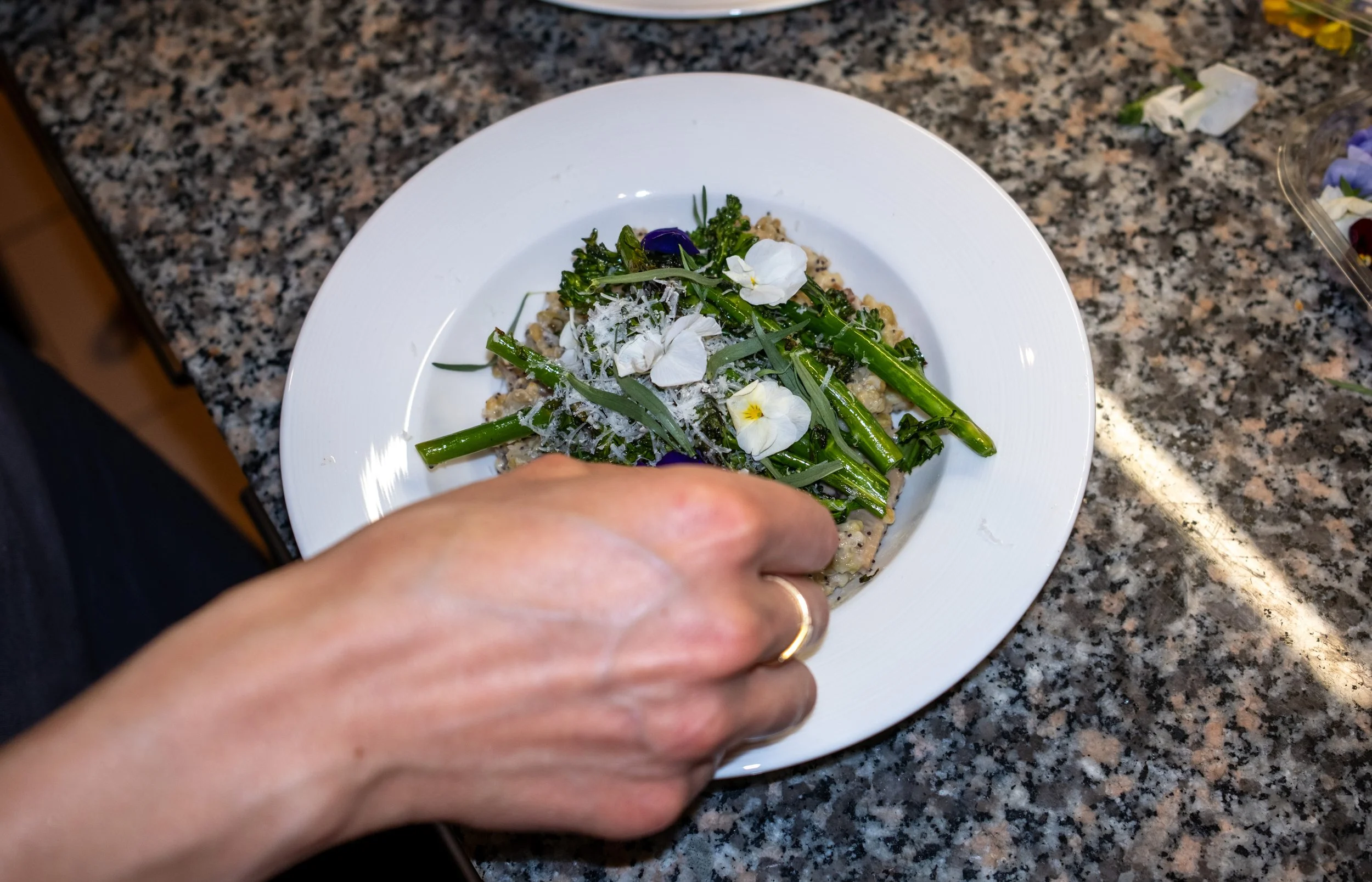
THE BREAKUP SUPPER CLUB is a space for shedding past selves, hindering ideologies and unhelpful relational dynamics through intimate, as well as public culinary performances. It is a container for futuring, utilising speculative fiction frameworks to move guests from their present experience with the defined theme (e.g: the patriarchy, capitalism, reality machines, negative self-talk, past selves...etc), towards 'the shedding', and then collectively imagining a future world where said idea/theme does not exist. It relies on activating absurdity and intentionally abandoning logic in order to open up new imaginaries that might have otherwise been constricted through current reality. The supper club responds with a bespoke menu that narratively integrates guests' intentions for breaking up with' that iteration's theme. The Breakup Supper Club also offers a bespoke service, responding to more personal narratives through similar formats.
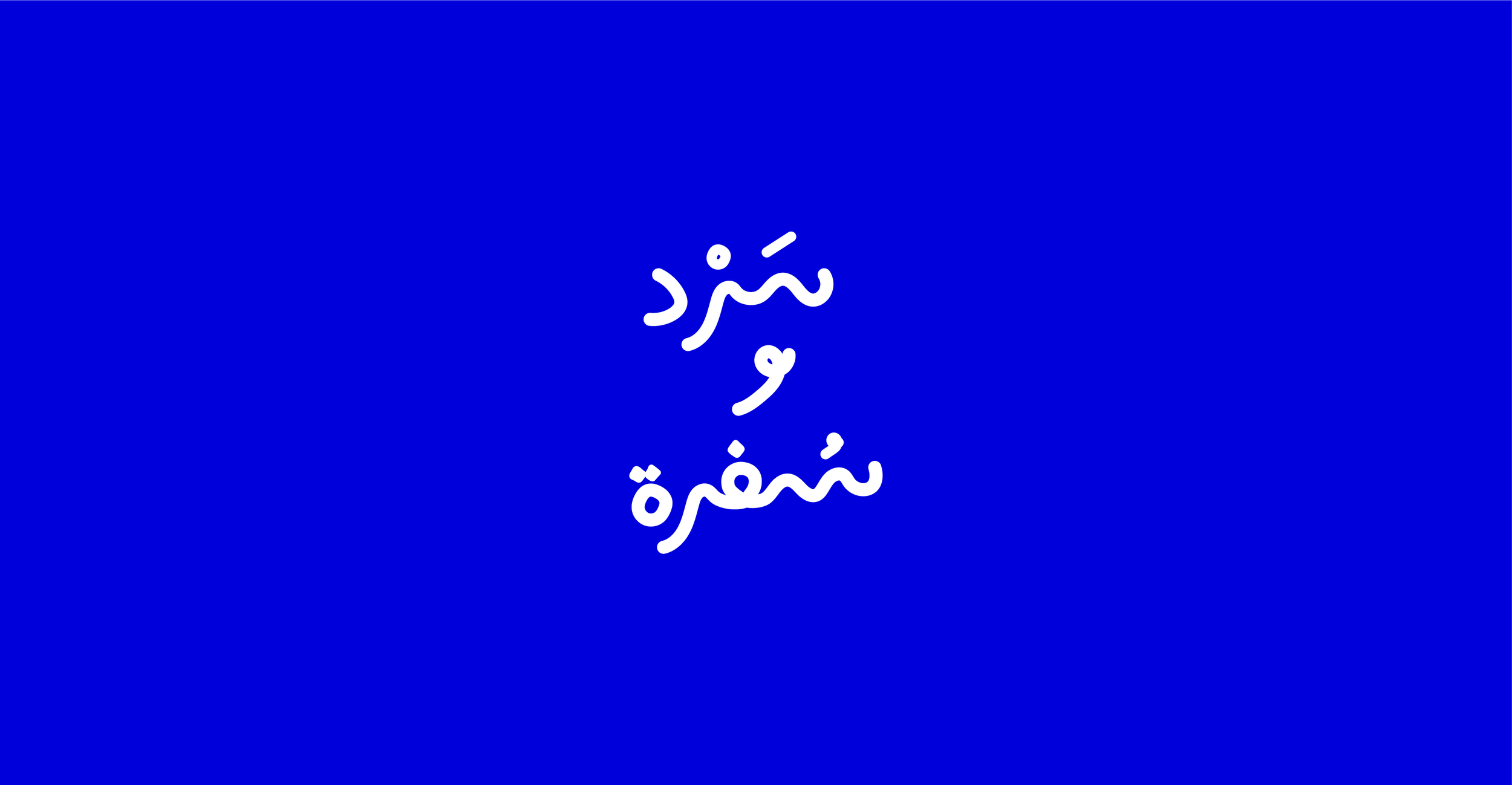
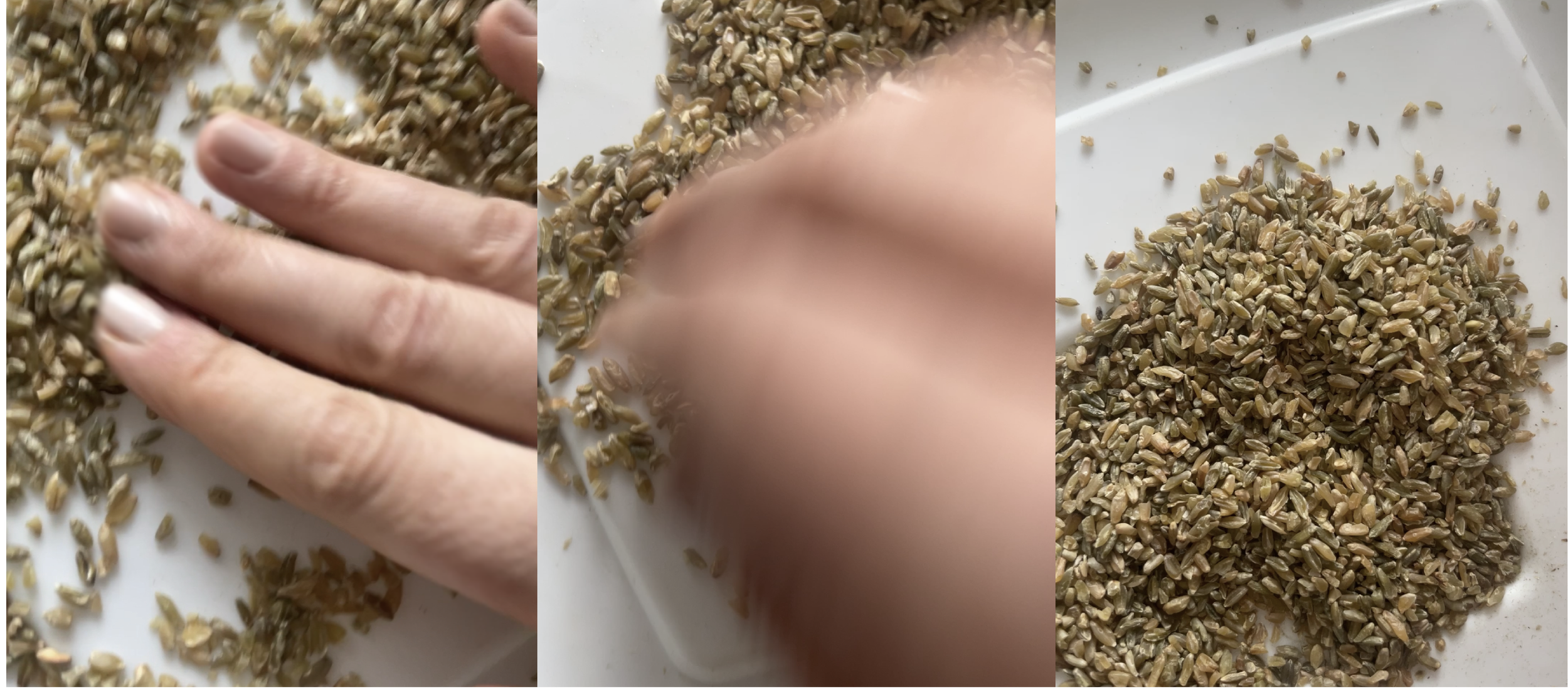
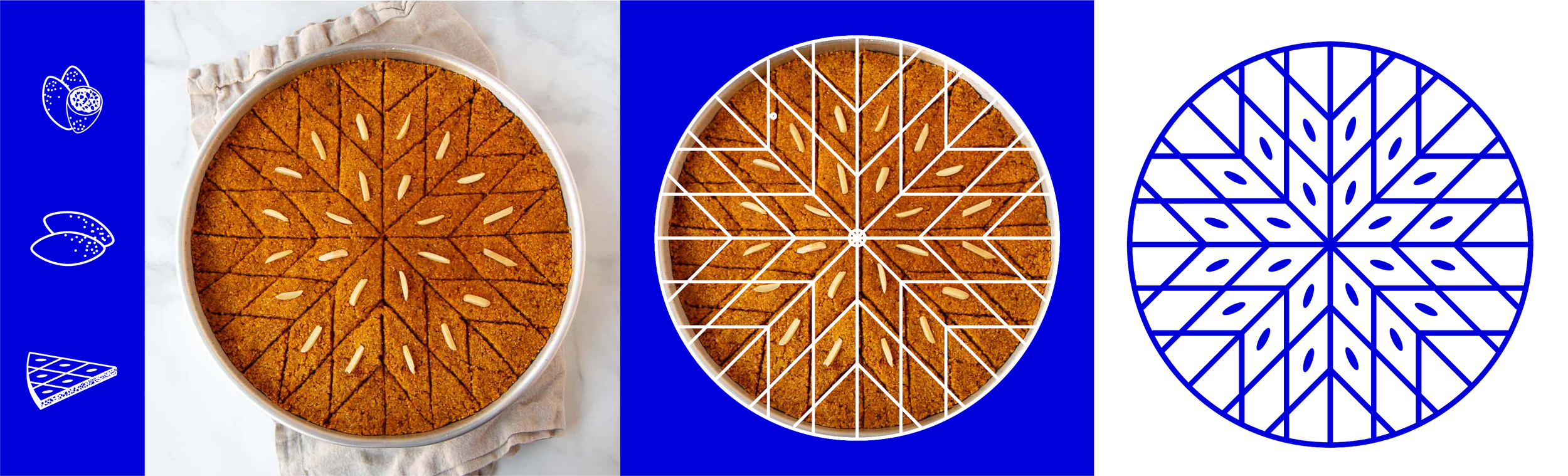
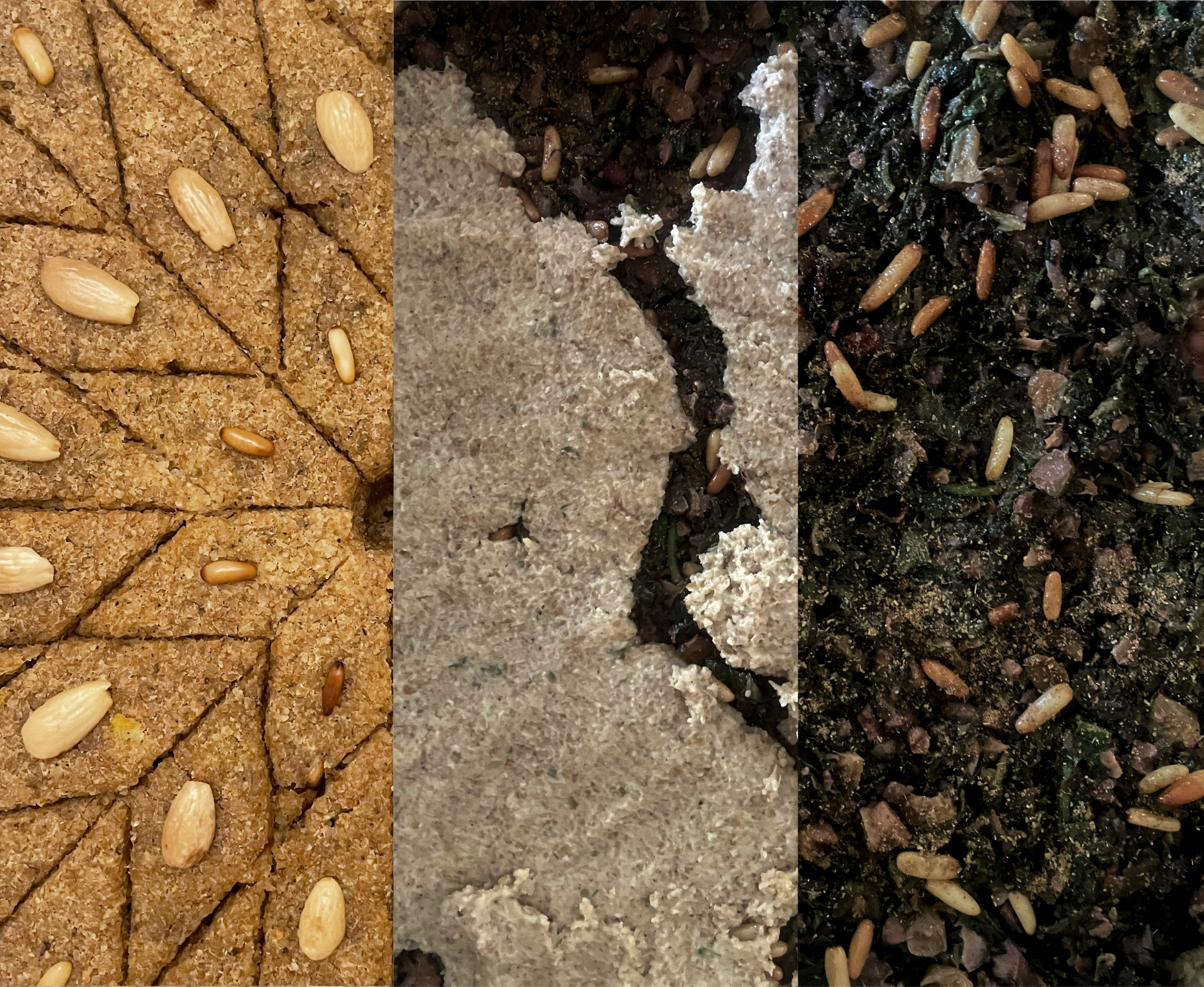
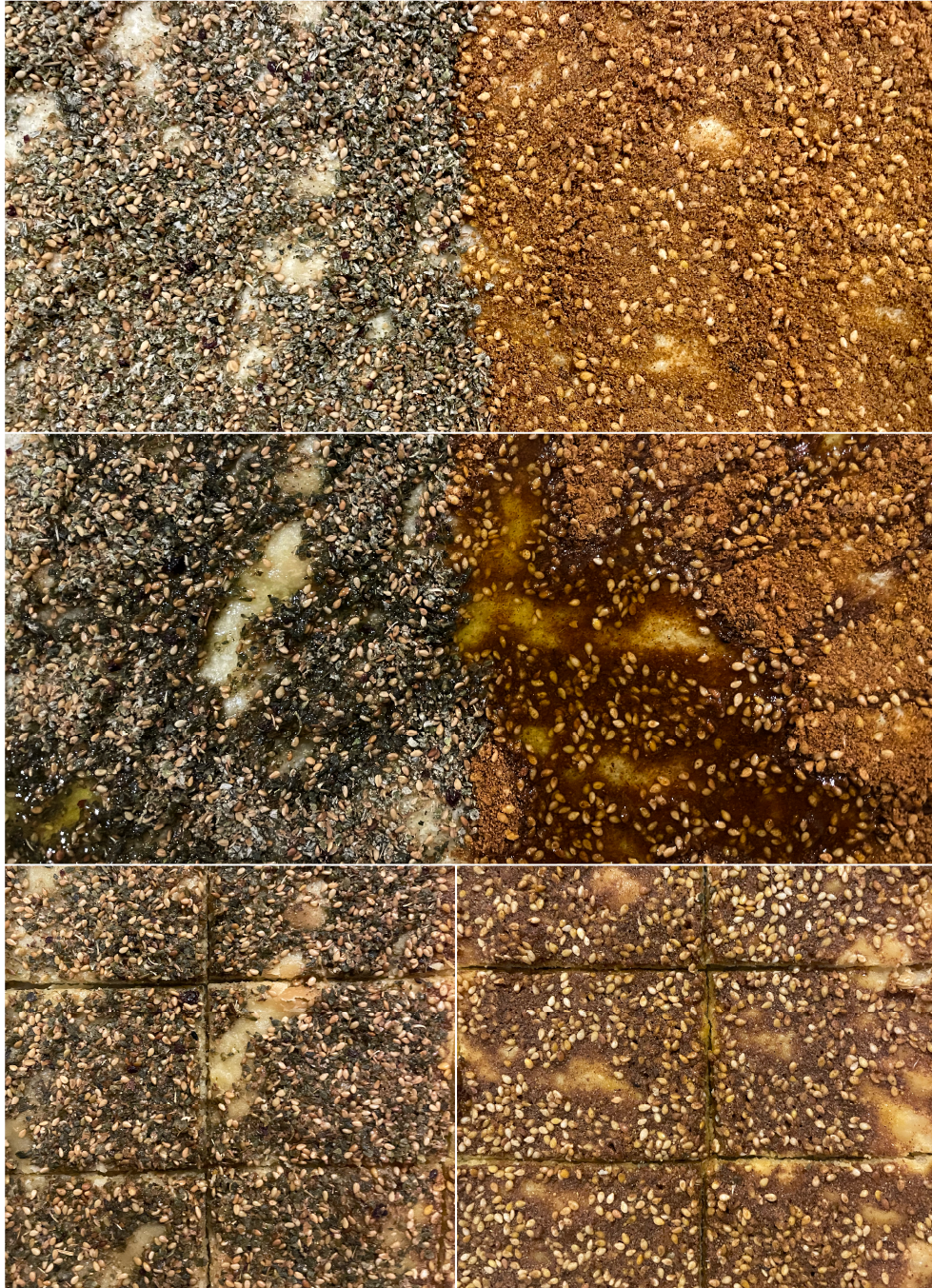
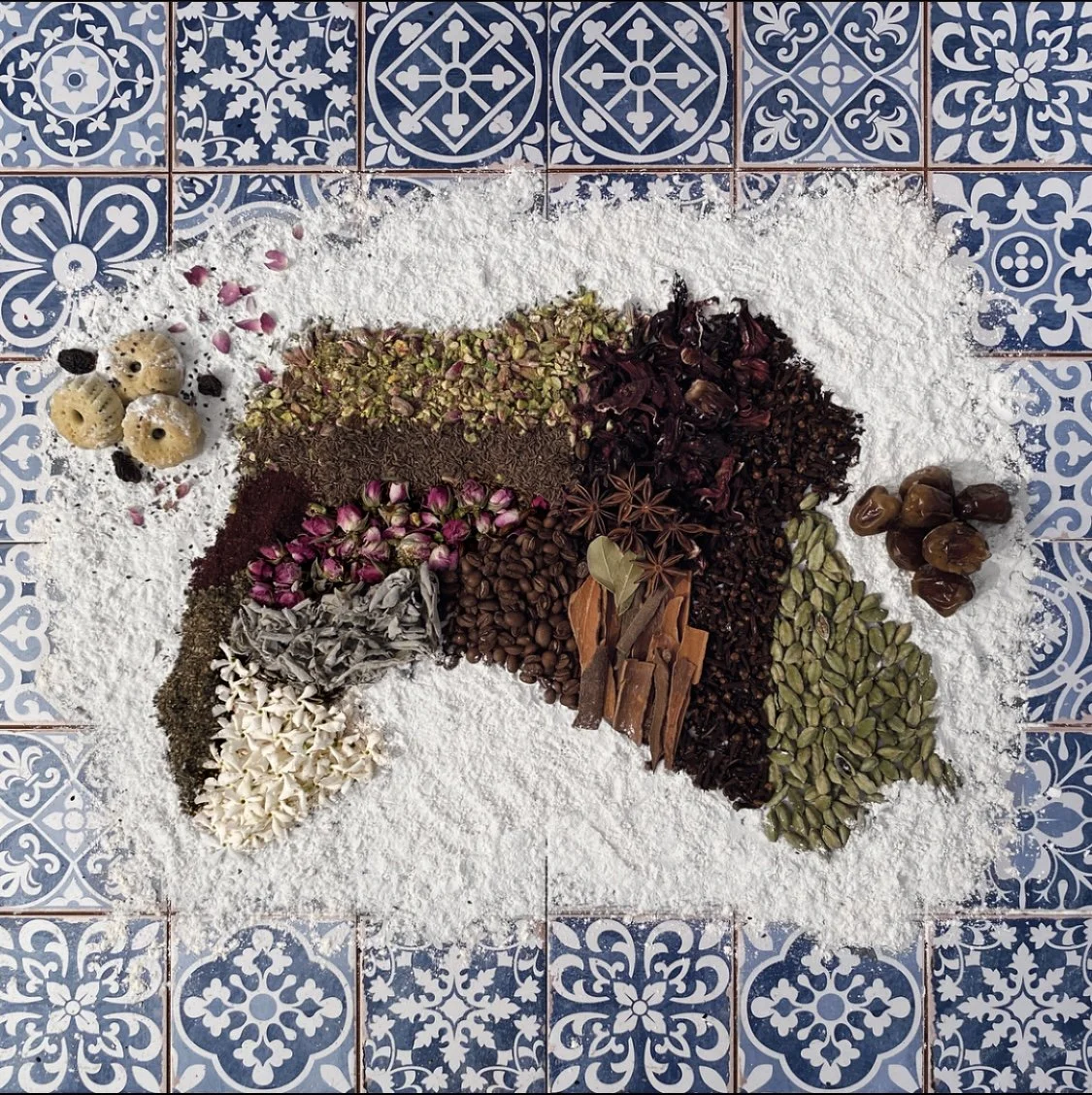
SARD W SUFRA (Arabic, translating to 'story & spread') is a series of supper clubs that narrate aspects of culinary heritage in the SWANA region. It weaves through different ecologies and cultures, surfacing how indigenous communities live in kinship with natural phenomena, learning the language of the land, flora and fauna, atmospheric forces and the cosmos as they navigate the seasons. It surfaces ways in which seasonal ecological and agricultural practices start to form narrative structures that shape collective lore and cultural identity.
The series brings folklore, proverbs, rituals and indigenous knowledge into mini games, recipes and interactive ‘sofras’, narrating human and more-than-human perspectives. Some iterations augment the sofra with audio pieces including oral histories and fictions sourced from the communities that grow the produce.
DINING WITH THE UNSEEN is a series that narrates worlds that exist in parallel dimensions through mythologies, folklore and fantasy from various cultures. Each iteration is hosted by a defined entity or character that narrates their world to human guests. Through interactive dishes, spatial installations and narrative media, the events take place in a space between worlds where different dimensions momentarily bleed into each other. The first public iteration happens in London in the summer of 2026.
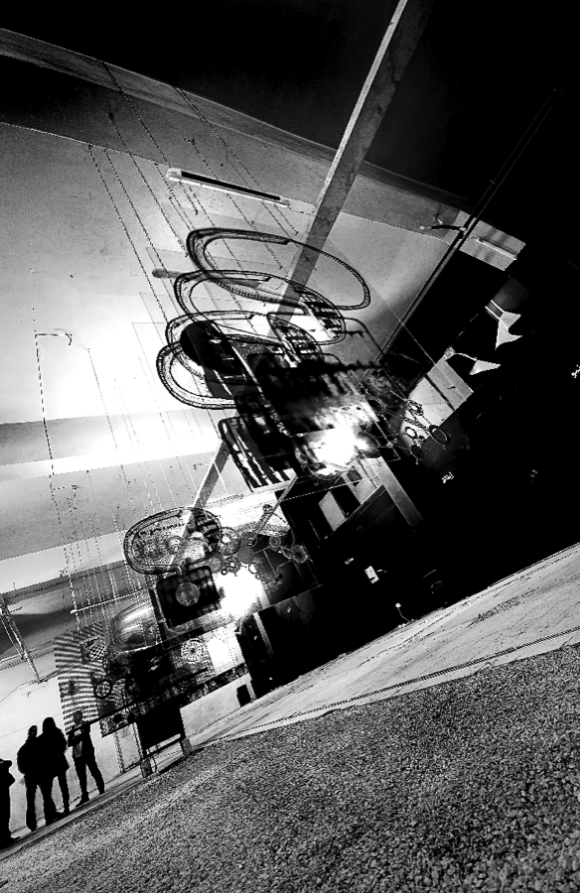
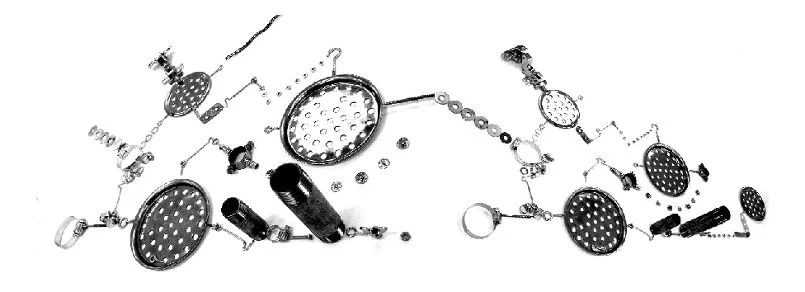
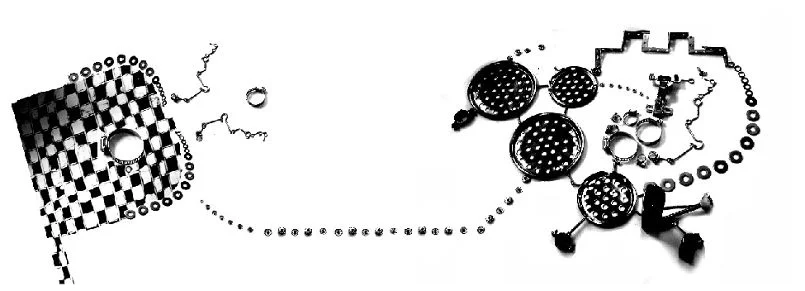
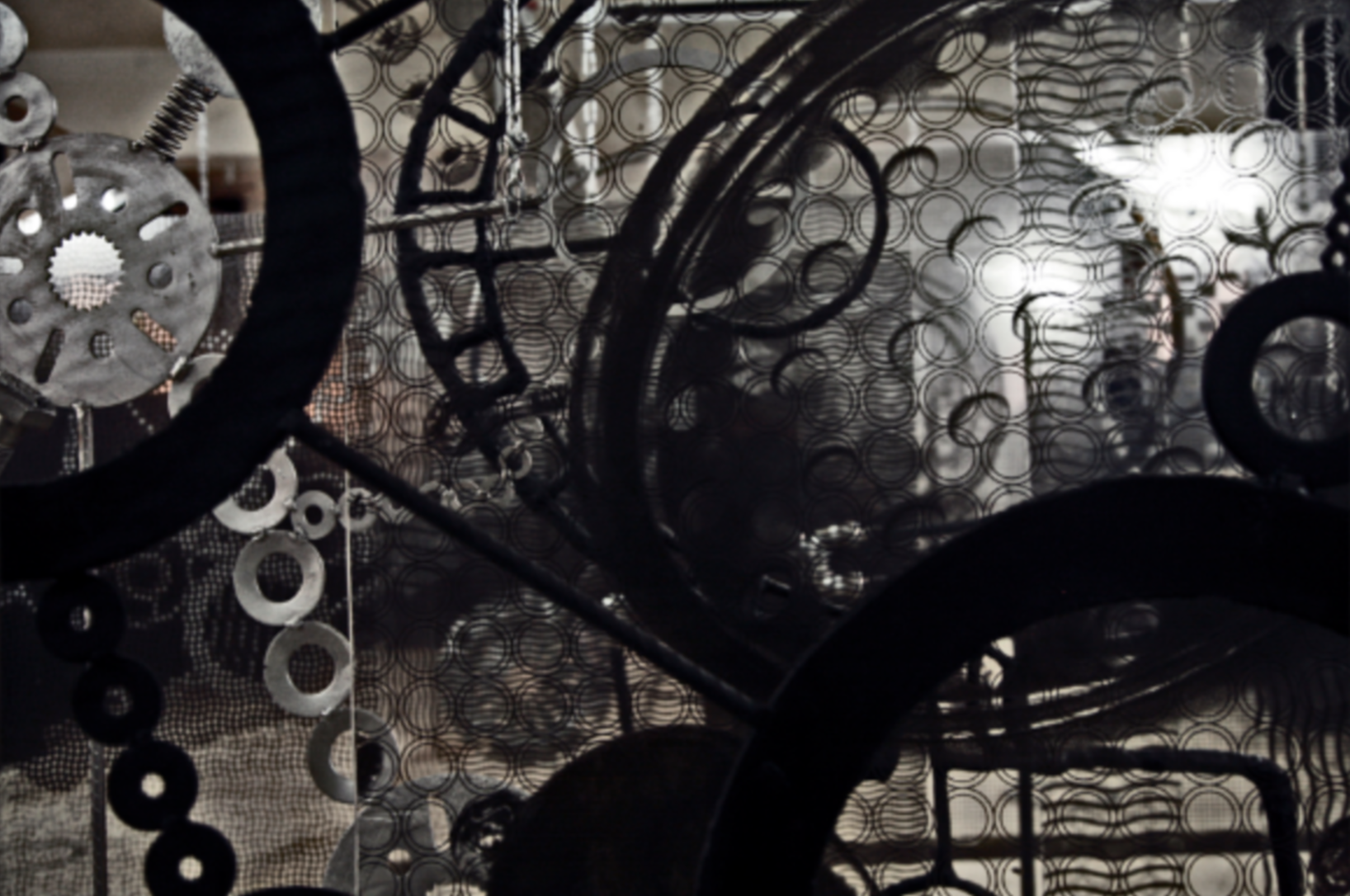
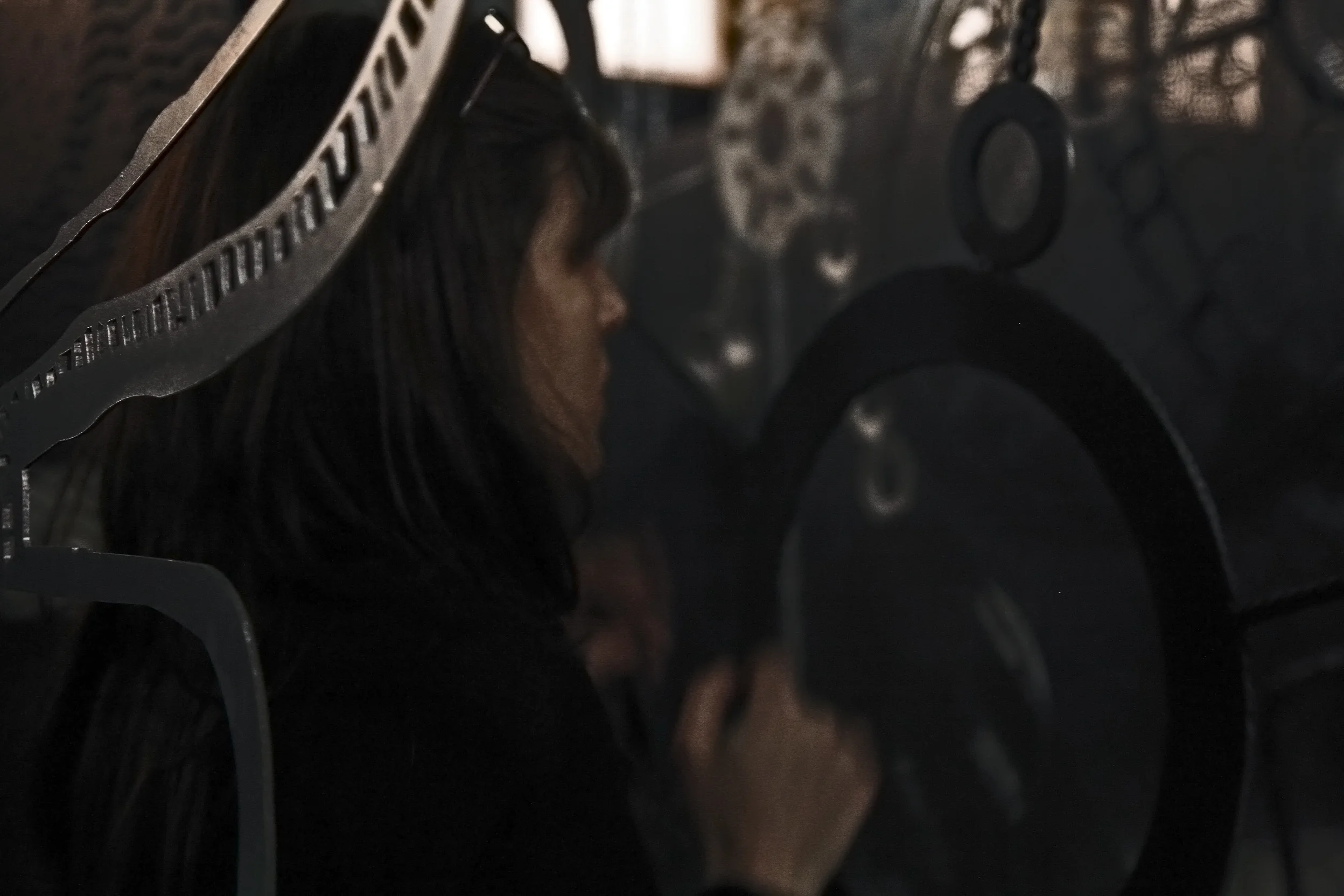
Set in an abandoned factory, FORMLESS is a philosophical investigation embodied through a spatial experience, that interrogates identity not as fixed essence but as perpetual becoming. The installation challenges conventional identity discourse by refusing generic categorical frameworks, instead examining how character, context, and environment generate meaning through unstable relational assemblages as they seek to define themselves through, as well as against the process.
Manifesting as a progression of translucent panels with content that shifts with viewer position, the installation creates a phenomenological encounter where perception becomes unstable. This formal strategy embodies the central thesis: that identity exists in continuous transitions rather than in fixed states. It insinuates intention as a force that moves the process along, perceivable in the space between states.
Critically, it defines formlessness not as a lack, absence or nothingness, but as "the constant loss of a state". It’s an active shedding rather than void.
This positions the work within ongoing philosophical debates about becoming versus being, challenging models of fixed identity. The forms and visuals within the installation are a record of an experimental visual and material dialogue, not guided by intention or aiming to reach any predetermined visual outcome, and instead, allowing the overarching narrative to dictate form.
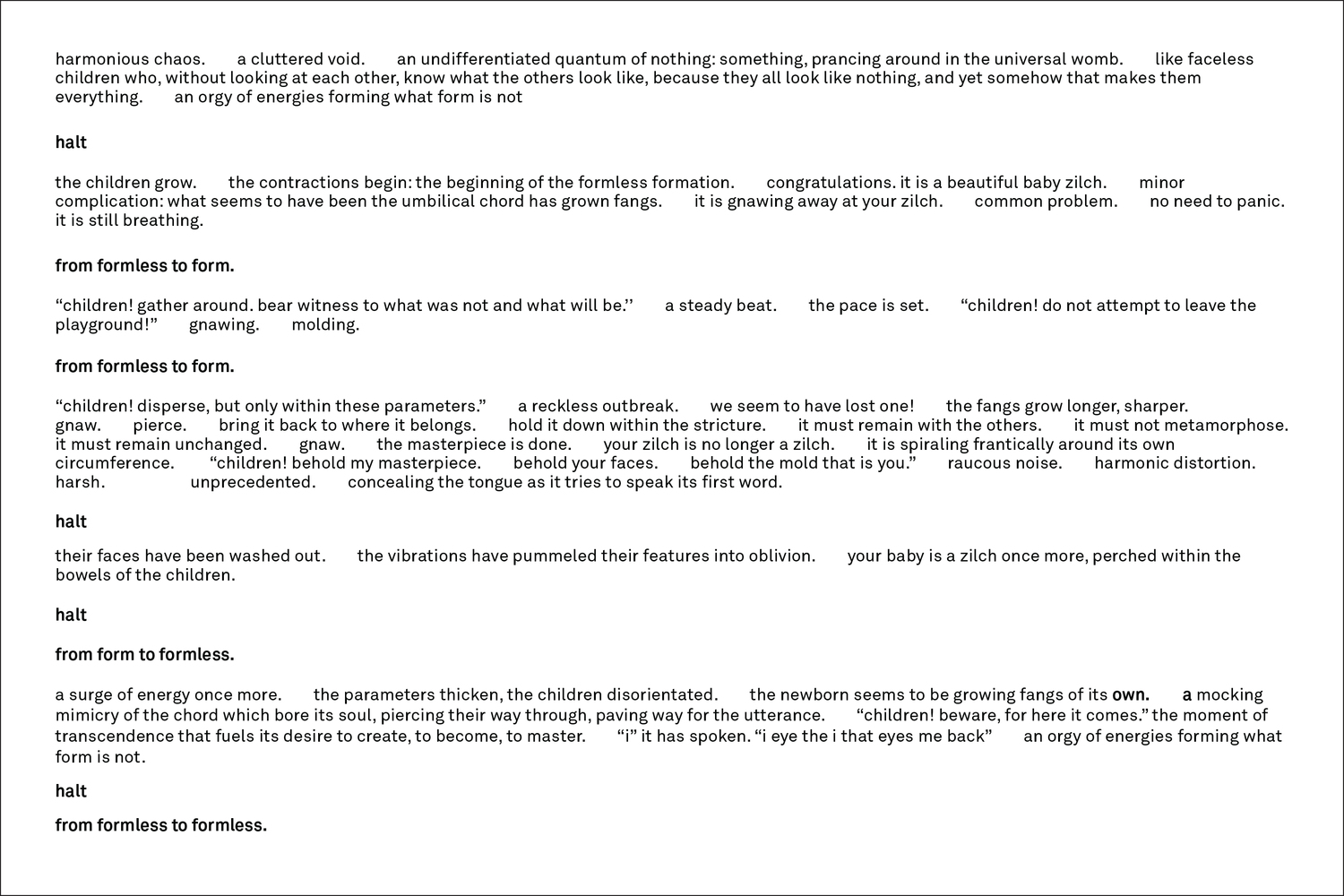
The installation presents eight phases: Hybrid, Prelude, Birth, Development, Awakening, Conversation, Transcendence, (and back to) Hybrid, framing the experience as an attempt to freeze a single moment within this perpetual state of 'hybridity' in order to to deconstruct it and examine its internal process of becoming.
Viewers witness a battle between induced states of form and formlessness, where the tangible elements become almost dispensable while retaining intrinsic meaning, creating a tension between process and product, material and immaterial, presence and dissolution.
FORMLESS redefines how we conceptualise identity, narrating it as continuous transformation that is neither ‘coherent state’ nor ‘fragmented multiplicity’; a state perpetually arriving at itself while already departing.
Funded by Mophradat (previously known as the Young Arab Theatre Fund), among other local sponsors, and exhibited in Amman, Jordan and Beirut, Lebanon.
The installation was featured in a campaign featuring emerging artists, that was designed for AIZONE, a high-fashion retailer.
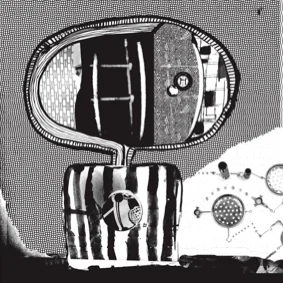
FORMLESS started as a graphic publication, as a result of a study that confronted the politics of Arab identity representation through the lens of comic book superheroes. The work investigated how contemporary Arab superhero narratives, particularly through independent comics (at the time) perpetuated colonial dynamics by stripping characters of cultural, religious, and ethnic markers, rendering them blank canvases for Western projection, and placing the lack of identity at the core of their narratives.
Rather than reinforcing imposed/constructed/reductive definitions, FORMLESS proposes identity as iterative, malleable and relational The visual narrative stages a dialogue between three entities (character, environment, and context) that evolve independently and through interaction. Moving through phases involving a form of birth, awakening, lack, mimicry, exchange, and empowerment, these entities arrive at a state of "ever-changing hybridity" where identity exists as a process rather than fixed essence.
Challenging both Orientalist representation (identity defined by Western gaze) and essentialism, the work posits identity as an interactive definition, neither defined self nor imposed 'other', but a perpetual negotiation that refuses reduction to place, time, politics, ethnicity (.etc) or any generically imposed terms that are usually used as parameters of its definition.
Rather than a lack of form, formlessness emerges as a resistance strategy, and a refusal of the terms that have historically constrained its definition.
*Looking back at this now, in 2025, I'm sure a lot can be reframed/contested, but I didn't want to edit the context within which 19 year old me was exploring these thoughts.
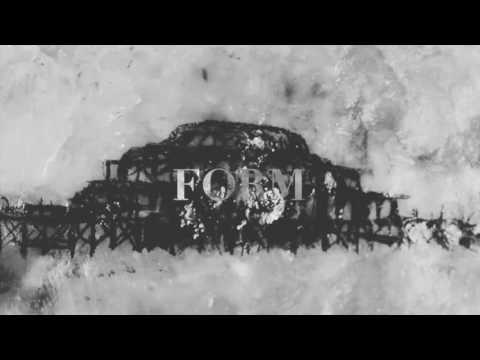
INTRANSIENCE is a site-specific installation that facilitates conversations around the construction of the legacy of place. It anchors the narrative to the skeletal remains of the West Pier in Brighton, augmenting the site through material, spatial and audiovisual layers to activate audiences into the storyworld
The installation halts the progression of linear time within the moment of the collapse of the pier's skeletal remains - its formal 'death' - creating a rift in this dimension that enables visitors to peer into a parallel dimension where they're immersed in the "Afterlife of Buildings". They find themselves eavesdropping on a debate between anthropomorphised structures on how to categorise the pier in its afterlife. Drawing from Greek chorus traditions and Jacques Lecoq's tension levels, the scripted audio debate oscillates between urgency and contemplation, exploring five elements of legacy: Imagination, Memory, Intent, History, and Form. The narrative deliberately removes spectators from passive observation, demanding they participate in shaping the legacy.
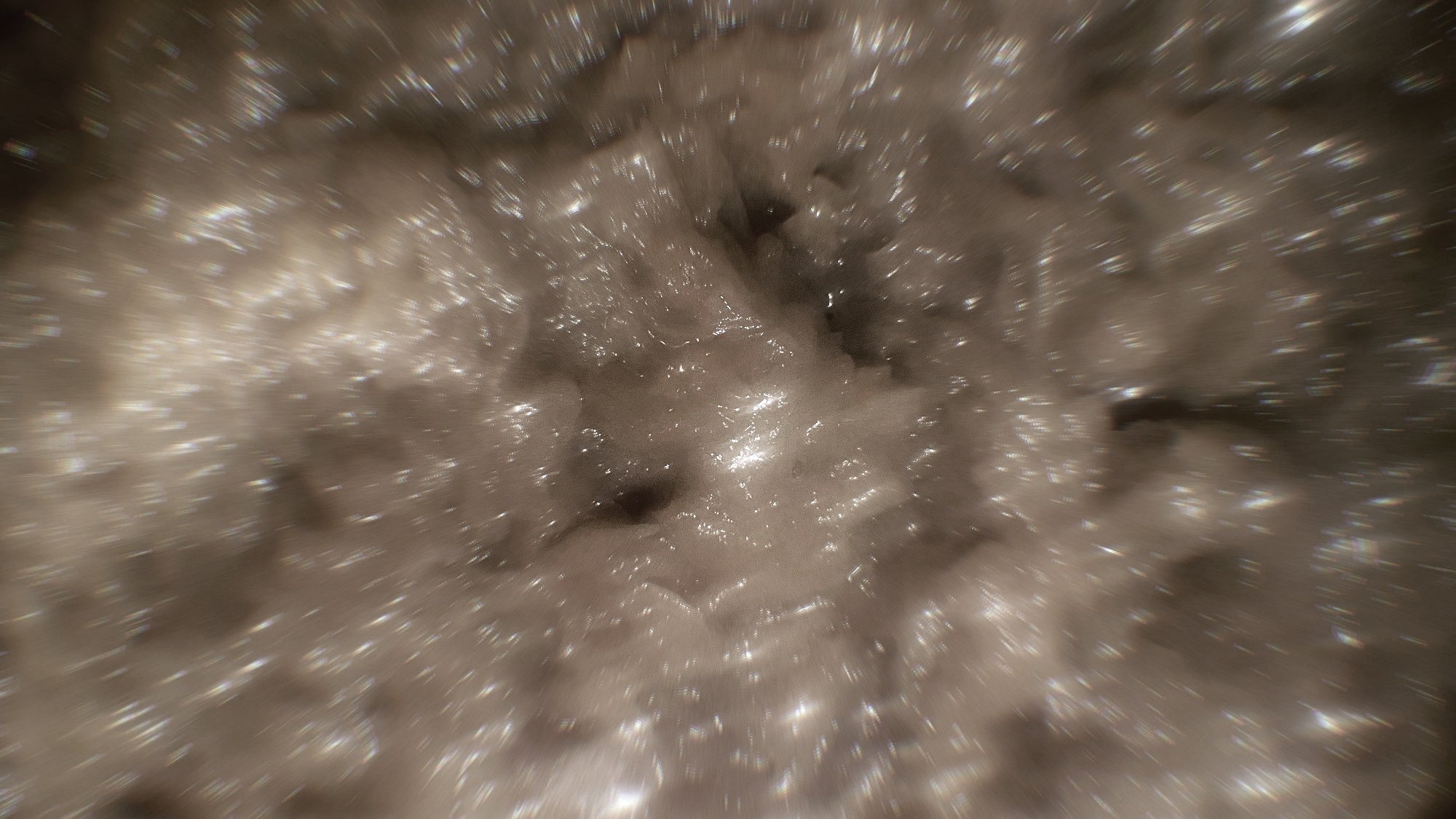
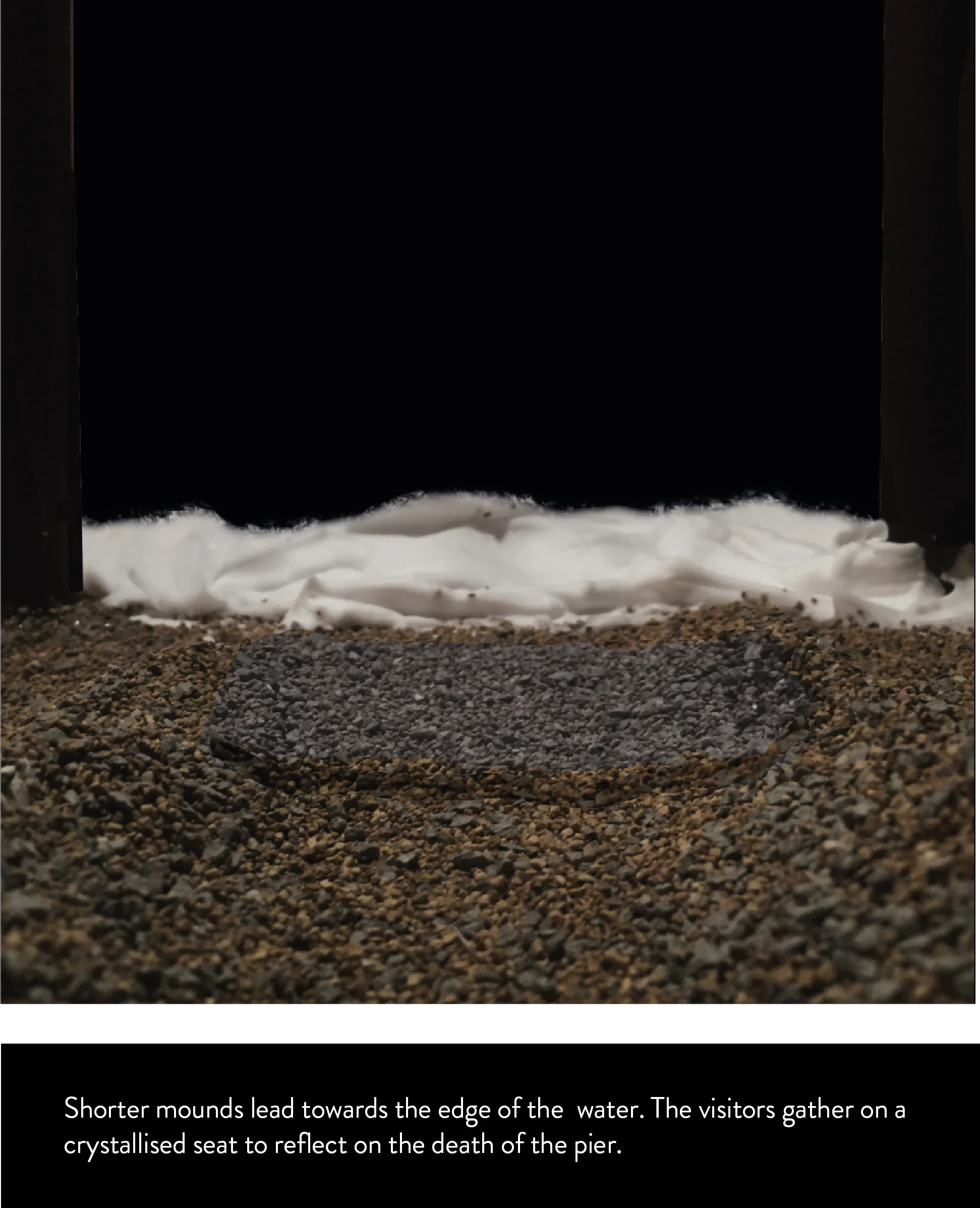
The physical space mirrors this conceptual framework. Designed as an inhabitable enclosure based on a collapsed pier kiosk, it sits simultaneously outside the standing skeleton yet inside the memory of what fell. It alters the physical experience of the space on Brighton beach, to insinuate the existence of this parallel dimension. Memory foam buried beneath pebbles mutes their sound beneath visitors' feet, and creates an uncanny sensation of the beach lifting them as they expect to resist the usual sinking-in. Mounds of pebbles appear to be pulled out of the beach, crystallised with alum salt - a material that preserves and simultaneously contributes to the current decay of the pier's skeletal remains - embodying the paradox of transience, particularly in proximity to the water.
The dialectic approach privileges polyphonic narratives over authoritative historical accounts, acknowledging subjective experiences while constructing a collective legacy that is not solely dictated by Cartesian space. The work becomes both an antidote to transience and an orchestration of entropy, offering audiences agency in creating stories that outlast physical structures. It is a meditation on how we construct meaning from the materials of memory and imagination, and what happens to that meaning when the physical form it is anchored to decays or ceases to exist.